

If rats and mice have made their way into your home, they are more than just an inconvenience. They can pose real risks to your health as well as your property.
Across Melbourne, rodent activity increases in cooler months because they go in search for warmth, food, water, and shelter. And once they’re inside, they will find a cosy nest, settle quickly and multiply faster than most people expect.
Below we’ve outlined health risks, how they get in, how fast they multiply, and what you can do to help your home remain protected from rodents.
Health risks associated with rats and mice
Rodents are highly adaptable and can squeeze through small gaps, nest in hidden areas, and remain undetected for long periods. While you may only hear scratching in the walls or notice small droppings, they may be reproducing at a very fast rate behind the scenes. And one of the biggest concerns with rodents is the spread of disease.
Rats and mice can carry bacteria and pathogens that are harmful to humans, which can be transmitted through:
- Droppings and urine
- Contaminated food or surfaces
- Parasites such as fleas and mites
The most common health risks include respiratory issues which can trigger asthma, and allergic reactions. They can also cause more serious infections by spreading disease such as Salmonella, Hantavirus, Leptospirosis, and Lymphocytic Choriomeningitis (LCMV).
Damage to your home and belongings
Rodents have strong teeth that never stop growing, in fact they can grow up to 14cm per year. This is why they must constantly gnaw and chew at food and other things such as cables, to keep them trimmed down.
They will chew on:
- Electrical wiring which can increase fire risk
- Insulation in roof spaces
- Timber, pipes, and other stored items in the shed
- Food in pantry
In many Melbourne homes, we also see rodents creating nesting sites in wall cavities and ceilings, where they can go unnoticed for some time.
How do rodents get into your home in the first place?
You might be surprised how easily rodents can enter a property.
They can fit through gaps as small as:
- 5mm for mice
- 2–3 cm for rats
They are incredible contortionists! And they will find small gaps in places such as:
- Pipes and vents around the house
- Roof tiles and eaves
- Cracks in the walls or foundations
- Garage doors and under-door gaps
They are looking for warmth, moisture, and food sources during winter to breed and grow in numbers.
Mice reproduce exceptionally fast, with a gestation period of only 19-21 days and the ability to produce a new litter every 3-4 weeks. And rats are just as fast! A single pair of rats can produce over 1,000 pups in a year. Females reach sexual maturity in 5-6 weeks, and have a gestation period of only 21-23 days. They can become pregnant again within 24 hours of giving birth.
You don’t want them to settle in your home because the problem can get much bigger quickly.
What are the signs to watch out for?
Early detection means you can get them out before they get too comfortable. Here are some common rodent signs to look out for:
- Scratching or movement in walls or ceilings, especially at night
- Small dark droppings around kitchens, cupboards, or garages
- Chewed packaging or wiring
- Unusual smells or musty odours
- Nests that have been made from paper, fabric, or insulation
If you think you may have found any of these, please give us a call and we’ll arrange a rodent inspection to thoroughly check your premises.
Simple things to do at home to prevent rodents from entering
We’re here to help you protect your home from rodents when a professional inspection and treatment is needed. But in the meantime, here are some practical steps you can take to reduce the risk:
- Seal gaps and entry points around your home – remember they can squeeze through tiny gaps
- Store food in sealed containers – rodents will chew their way through cardboard and plastic
- Keep rubbish areas clean and secure – they go rummaging around at night for food scraps
- Remove clutter where rodents can hide – they always love a dark little hidey-hole
- Trim back vegetation near the house – to stop them from coming closer in the first place
- Fix leaks and reduce moisture – as these become their water sources
What is involved in professional rodent inspection and treatment?
By taking the steps we’ve suggested above, this will make your home far less attractive to rodents, but it may not address the full problem and remove them permanently.
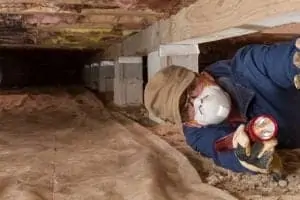
They will often nest in hidden areas that are difficult to access when they are breeding, and without the right tools and experience, you won’t be able to find them. We get right under floors and in the roof space to have a good look around and during an inspection we:
- Identify entry points and nesting areas
- Assess the level of infestation if any
- Apply targeted, safe treatments on the spot if we need to
- Put preventative measures in place
Get on top of a potential rodent problem sooner than later
Rodent problems don’t resolve on their own. The earlier you act, the easier and more cost-effective it is to manage. If you’re hearing noises, seeing signs, or just want peace of mind, it’s worth having your home or property checked.
And while you’re thinking about protecting your home, it’s also important to remember that rodents aren’t the only hidden risk.
Termites cause far more damage across Melbourne homes each year — and unlike rodents, they often remain completely invisible until serious damage is done.
That’s why we offer rodent control combined with regular termite inspections for long-term protection.
If you suspect rodent activity or want a professional assessment, Pest Police is here to help.
With hundreds of 5-star reviews, and a 100% success rate, our friendly, local, and experienced pest inspectors will give you clear advice and practical solutions to protect your home properly.
You can phone us on 1800 737 876 or email us at info@pestpolice.com.au and we’ll be in touch to discuss your concerns about rodents or other pests. Our technicians are properly qualified and accredited and we’ll do the job right, the first time.